
Afef Omri
she/her
Sound and space researcher
Country: Tunisia
Discipline: Digital art – Participatory art
Type of public space: Periphery – Rural – Nature

PLATFORM 2025 - 2028 2027 creations


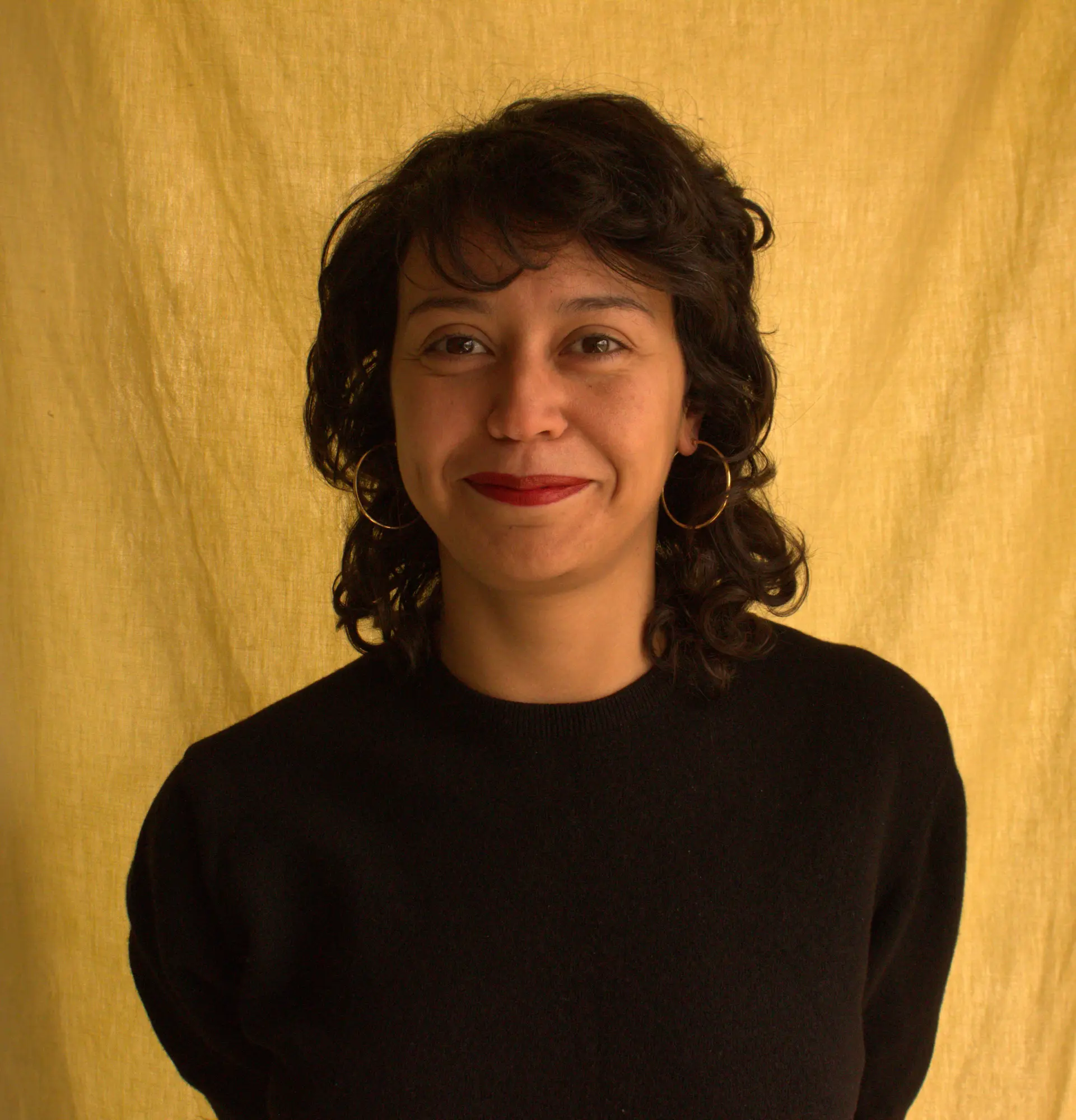
Artist's pitch

Biography
Visual artist, architect, and researcher in arts and space, based in Tunis. She develops a transdisciplinary practice that combines sensory cartography, sound collection, poetic writing, and field research. She uses various artistic mediums, such as installation, drawing, and photography. Her work explores the links between popular oral tradition, collective memory, and lived spatiality, with a particular interest in the landscapes of southern Tunisia and vernacular forms of expression.
Her participatory practices include architectural experimentation in public spaces, construction with local communities, and an inclusive and feminist approach. She is particularly interested in sociocultural issues, contemporary identities and ideologies, and their impact on architecture and cities, seeking alternative possibilities for creative socio-spatial transformation. Her work takes the form of research, theoretical architectural projects, and sensitive urban cartography.
Artistic project
Audioclopedia is a participatory artistic and research-creation project that investigates the relationships between territory, orality, and memory through listening. It is grounded in a central hypothesis: space is not merely a context in which cultural expressions emerge; through its geography, ecology, uses, and the forms of life it generates, it actively shapes their content, rhythm, and modes of expression. The project originated in southern Tunisia, through research into how specific territories — oases, chotts, nomadic routes, and agricultural villages — influence forms of oral creation, particularly songs. In these contexts, geographical and climatic conditions, agricultural practices, water systems, and patterns of mobility are closely intertwined with singing practices and modes of oral transmission. Audioclopedia thus explores how spatiality shapes orality and how, in turn, oral expressions give meaning to territory and contribute to its sensory reconfiguration. Today, this research is gradually expanding to different territories. Each place is approached as a situated field of listening, with its own relationships between environment, human practices, memory, and sonic expression. Through encounters, conversations, field recordings, and listening processes developed with local inhabitants, Audioclopedia seeks to identify the sounds, practices, narratives, and forms of orality that emerge from these particular relationships to territory. The participatory dimension is embedded in the research process itself. Local inhabitants are not merely subjects of documentation: their experiences, memories, and ways of listening help determine what deserves to be listened to, recorded, and transmitted. The process of collecting thus becomes a shared construction of situated knowledge about the territory. The collected materials are brought into relation through an evolving digital sound map, ethnographic boards combining drawing, observation, and narrative, and collective listening sessions that publicly activate the archive and bring the collected materials back into circulation among communities and audiences. Audioclopedia approaches listening simultaneously as a research method, an artistic practice, and a means of relating to territory. The project progressively seeks to build a living, collective archive of the sensory relationships between societies and the territories they inhabit.
Format: collective listening sessions / Sound installation / Participatory sound mapping
Size of audience: local communities and inhabitants of the territories involved in the research, as well as broader audiences encountered through festivals, exhibitions...
Specific location: public squares and informal gathering spaces
Timing/duration: flexible duration depending on the context: collective listening sessions of approximately 20 or 30min; sound and ethnographic installation presented throughout the duration of the hosting event or exhibition.
Related content
PLATFORM 2025-2028
Boosting emerging artists' international careers
Open call #2
PLATFORM 2025-2028