
Dualtagh McDonnell-Grundy
he/him
Interdisciplinary performance maker
Country: The Netherlands – Ireland
Discipline: Theater – Performance – Digital art
Type of public space: Nature
PLATFORM 2025 - 2028 2027 creations


Biography
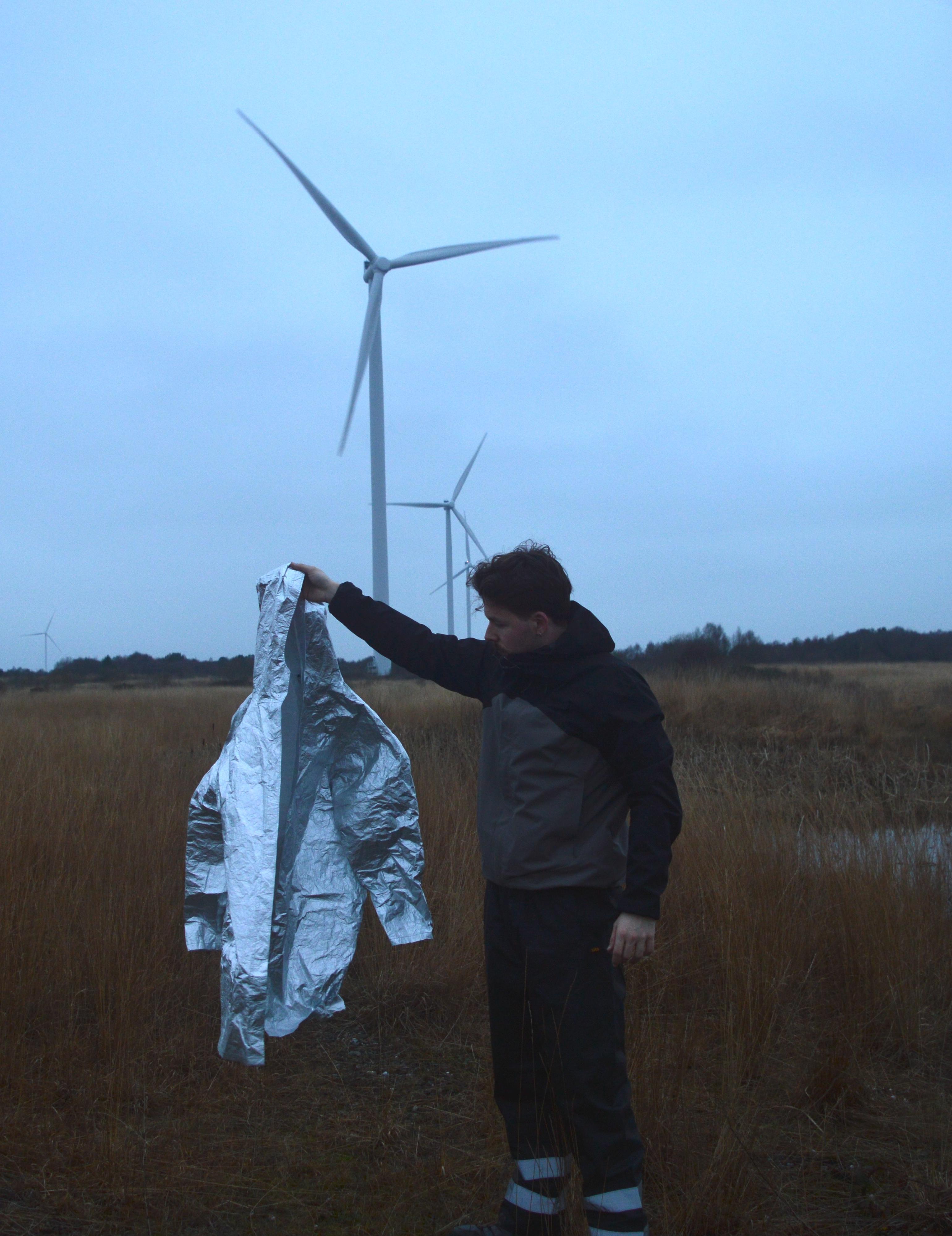
Dualtagh McDonnell-Grundy (2001) is an Irish performance maker and artistic researcher based in the Netherlands. He trained as a theatre director at Trinity College, Dublin and will complete a masters in Performance Practices from ArtEZ, Arnhem in 2026.
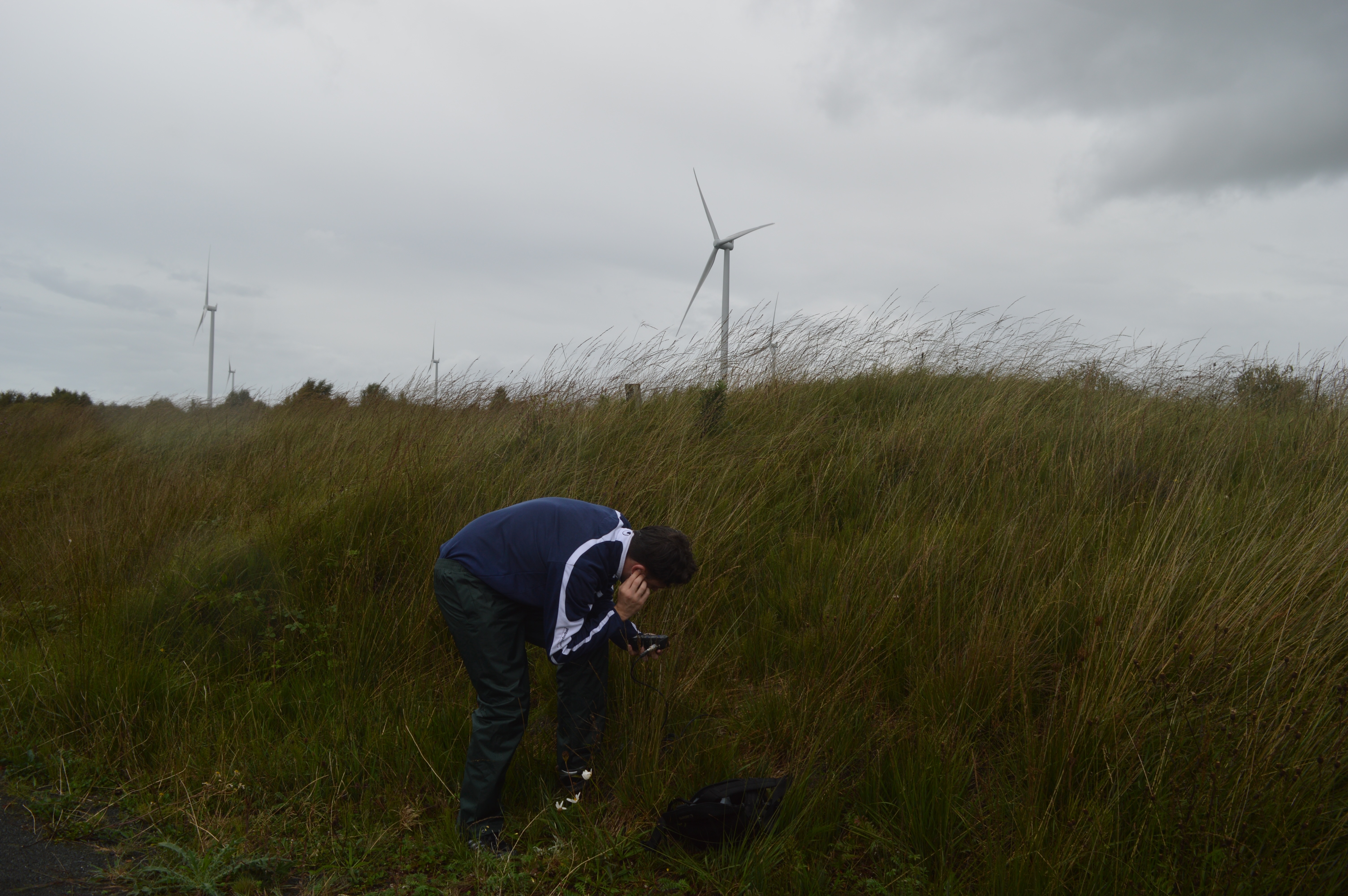
Dualtagh’s practice is grounded in ecological contexts and always begins from a starting point of collaboration whether with the environment, technology or other performers. Through collaboration, his work aims to facilitate encounters that expose and find the potential for resisting dominant infrastructures such as extractivism that shape how landscapes are known and valued. He focuses on creating live audiovisual compositions with field data obtained from both ecological contexts and the body through site-responsive fieldwork practices with sensors, movement and media. A core component of his performance practice involves reflexivity, acknowledging and working with how his artistic practice may reproduce the structures he tries to critique.
Artistic project
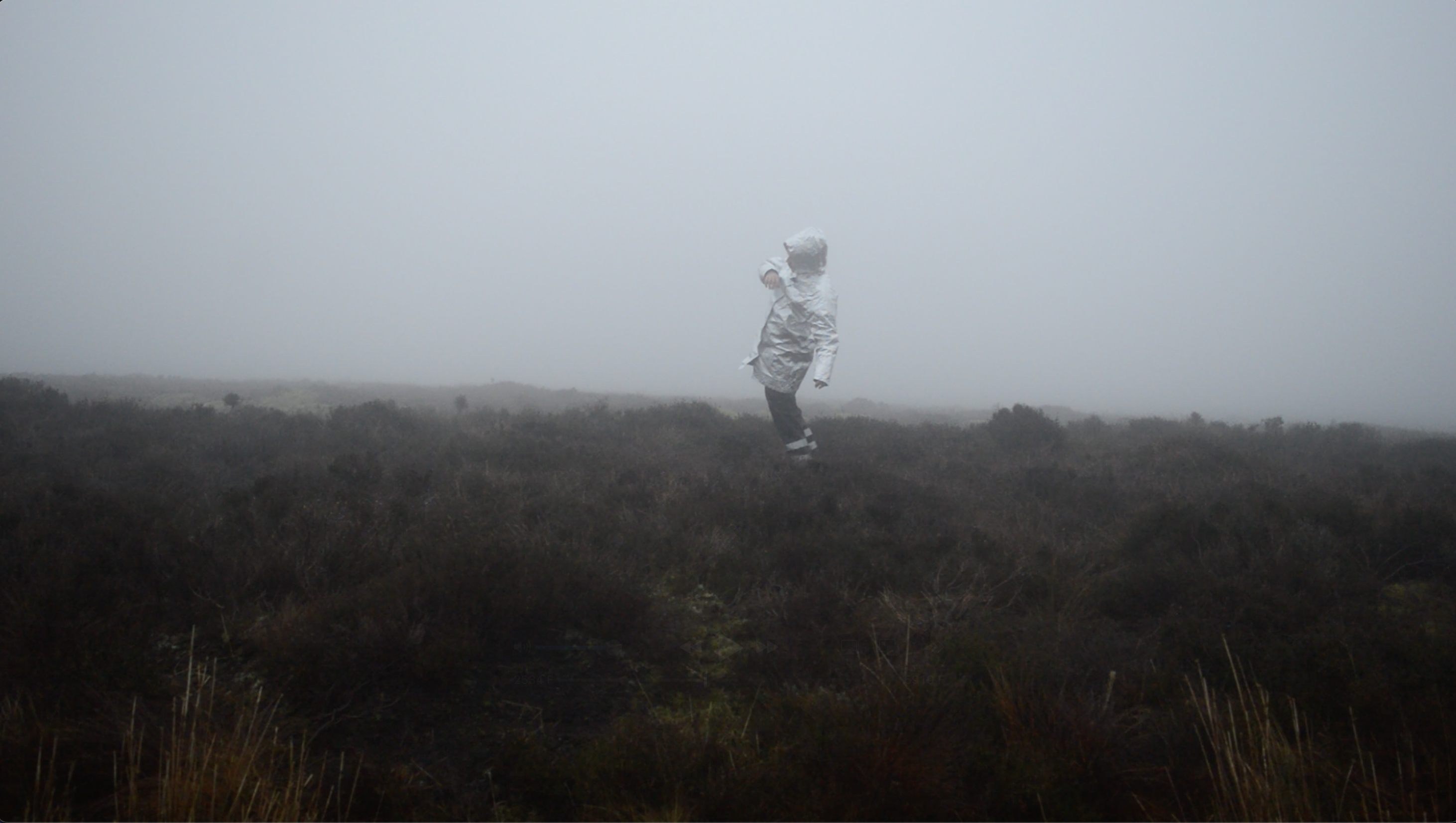
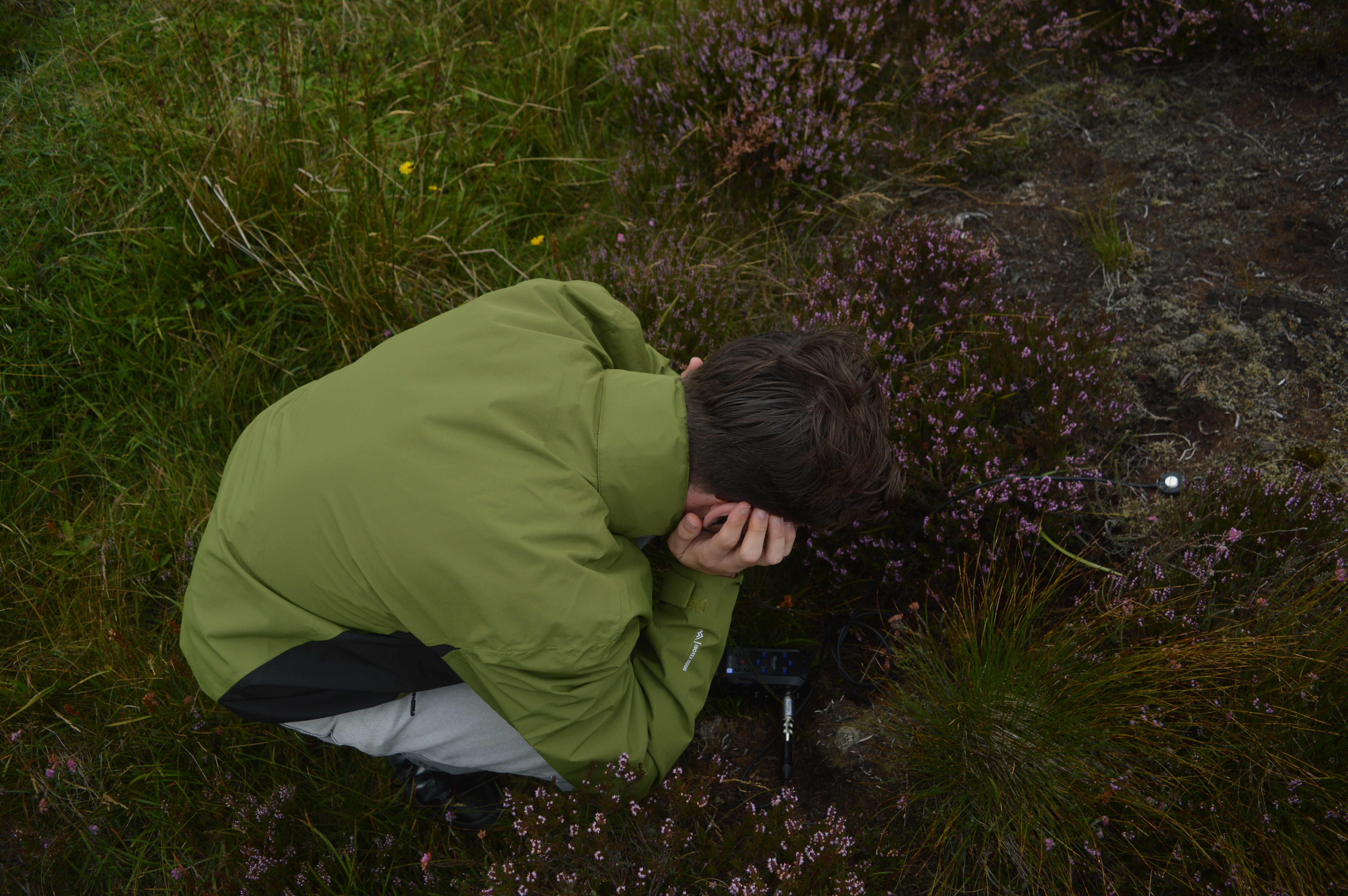
‘We don't live in a wilderness’ is a participatory performance in which the audience takes part in a guided fieldwork score within a bog/wetland landscape. Participants use sensing technologies and observational tasks to listen to sounds beneath the soil, notice changes in moisture/temperature through sensors and record traces of both ecological life and the impact of human infrastructure such as wind turbines or high voltage cables. As they move across the soft and uneven ground, participants temporarily become ecological fieldworkers.
Participants are invited to reflect on how their actions in this process also shape how the landscape is understood or valued. The project draws from my own fieldwork in bogs - wetland environments composed of layers of decayed plant material. These sites, particularly in Ireland and other European contexts, have a long history of human intervention from British colonial drainage plans for agriculture, state industrialised peat extraction for fuel to ‘green’ energy and data infrastructures. Extractivism has defined how the bog is known and viewed by humans only insofar as it can be converted into value. The performance opens a space to explore whether more reciprocal forms of human-environment interaction are possible through technologically mediated storytelling.
Format: participatory performance
Size of audience: 20 people maximum
Specific location: wetland landscape
Timing/duration: day performance of 1 to 1.5 hours

Related content
PLATFORM 2025-2028
Boosting emerging artists' international careers
Open call #2
PLATFORM 2025-2028