
Ebru Altıntaş
she/her/no pronouns
Dancer & choreographer
Country: Germany – Turkey
Discipline: Theater – Performance – Dance
Type of public space: Periphery – Urban

PLATFORM 2025 - 2028 2027 creations


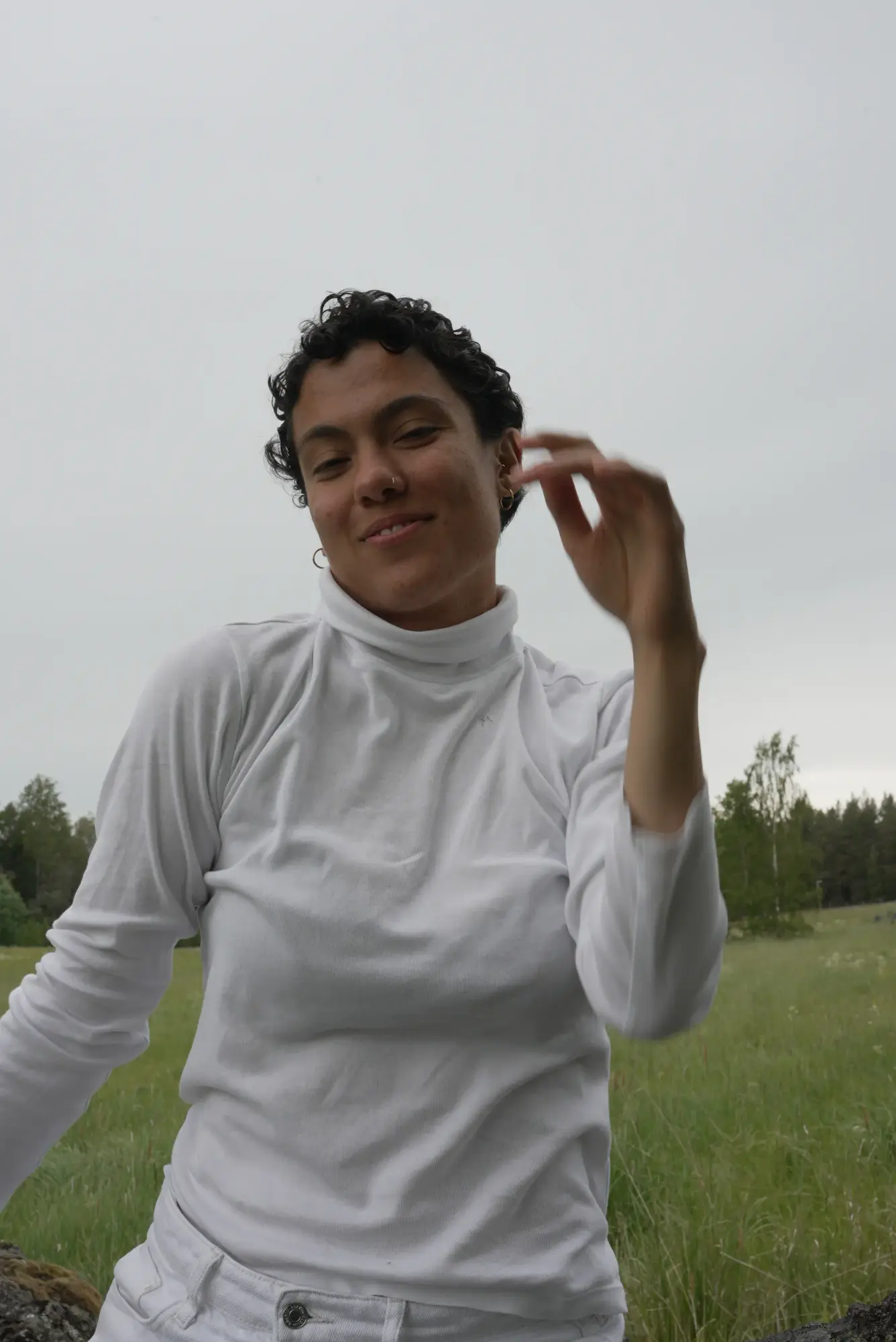
Artist's pitch

Biography
Ebru Altıntaş is a Berlin-based dancer, artivist and awareness practitioner deeply inspired by Afro-diasporic dances like Hip Hop, House and Club Culture, as well as her upbringing in a Muslim Turkish community.
Her artistic practice centers care, collective responsibility, and creates spaces for shared learning and mutual support within the dance scene. As a performer and emerging choreographer, she works in various dance researches internationally and facilitates different projects intersecting with queerness, youth and realities of color.
For Ebru, dance is as a political expression that is informing us of the sensitivities of our bodies and their deepest longings.
Artistic project
Bridging: a labour of joy is a context-based and site-responsive dance performance rooted in lived experience, drawing upon Afro-diasporic Street and Club Dance cultures, specifically House Dance and Hip Hop. The project traces the origins of these genres as practices born from global majority communities and uses dance to reflect on political inequalities, economic resources, and the need for interdependence within contemporary cities. It connects the working-class roots of Black Club Culture with questions of agency and collective joy among (racialised) working-class people in public spaces, where the act of gathering and dancing becomes a way of reclaiming space. At its heart, the performance explores joy as an embodied political practice and aims to convey its power through movement. Our joy informs us about desires, needs, what truly moves us, and what it takes to move with, move on, and move along. Between these lines, the project offers the audience to take something with them, whatever that may be.
The context-based approach responds to the performance site by asking who uses the space, what is happening within the community, and what histories, wounds and dreams shape it. This allows the work to respond to each place with sensitivity, keeping the artistic material adaptable and leaving room for each performance to emerge from its specific context.
The performance ultimately proposes public space as a site where movement becomes a contagious way of engaging with the world, and where differences become a ground for solidarity and interdependence.
Format: dance exhibition, performance
Size of audience: 50-100 people
Specific location: bridge
Timing/duration: day performance of 30-45min
Related content
PLATFORM 2025-2028
Boosting emerging artists' international careers
Open call #2
PLATFORM 2025-2028