
Eskandari/Shurkhal
Maria Shurkhal - she/her
Ebrahim Eskandari - he/him
socio-political memory installation
Country: Austria – Ukraine – Iran
Discipline: Dance – Visual art
Type of public space: Urban – Rural
PLATFORM 2025 - 2028 2027 creations

Biography
Maria Shurkhal is a Ukrainian choreographer, dancer, and researcher working at the intersection of movement research, contemporary performance, and interdisciplinary collaboration. Her practice integrates embodied methodologies, historical movement vocabularies, and socio-political perspectives, often addressing themes of cultural memory, resilience, and the relationship between dance, digital media, and documentary forms. She has created and performed works across Europe, curated socio-cultural projects, and contributed to various research environments. Informed by her background in classical ballet and her continued engagement with Ukrainian cultural contexts, Shurkhal’s artistic approach bridges Eastern and Western European discourse. She is the recipient of several Austrian national grants and collaborates widely as a performer, educator, and artistic researcher.
Ebrahim Eskandari is a sculptor and visual artist with a background in sculpture, painting, and media-based practices. His work explores material transformation and the search for new artistic languages capable of translating historical and cultural memory into contemporary forms. He has realized seven public sculptures in Tehran and works as an art conservator at the Tehran Museum of Contemporary Art, where he has restored numerous significant international artworks. Eskandari has presented his work in solo and group exhibitions across Europe and Iran, spanning installation, film, sculpture, and multimedia formats.
Artistic project
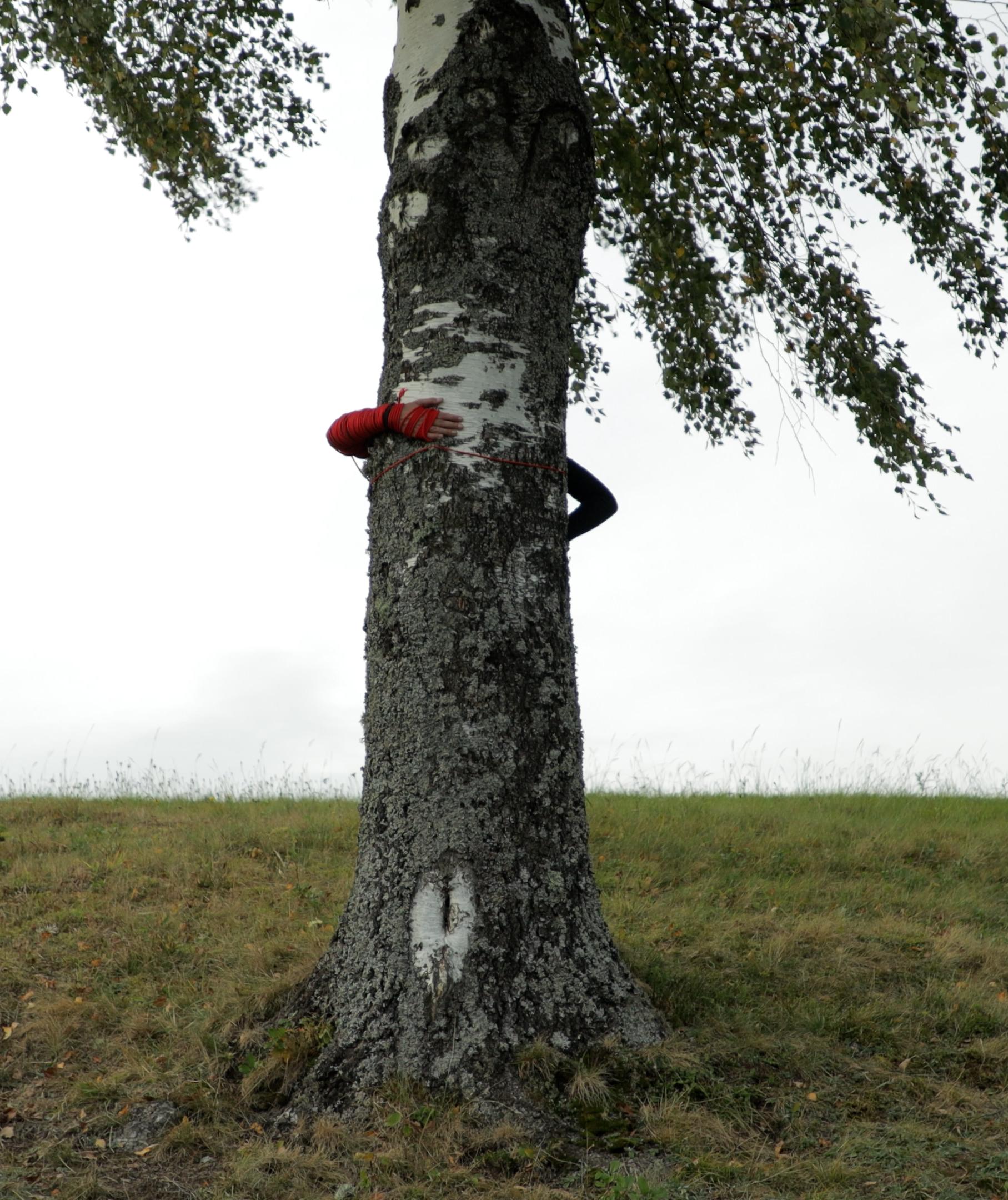
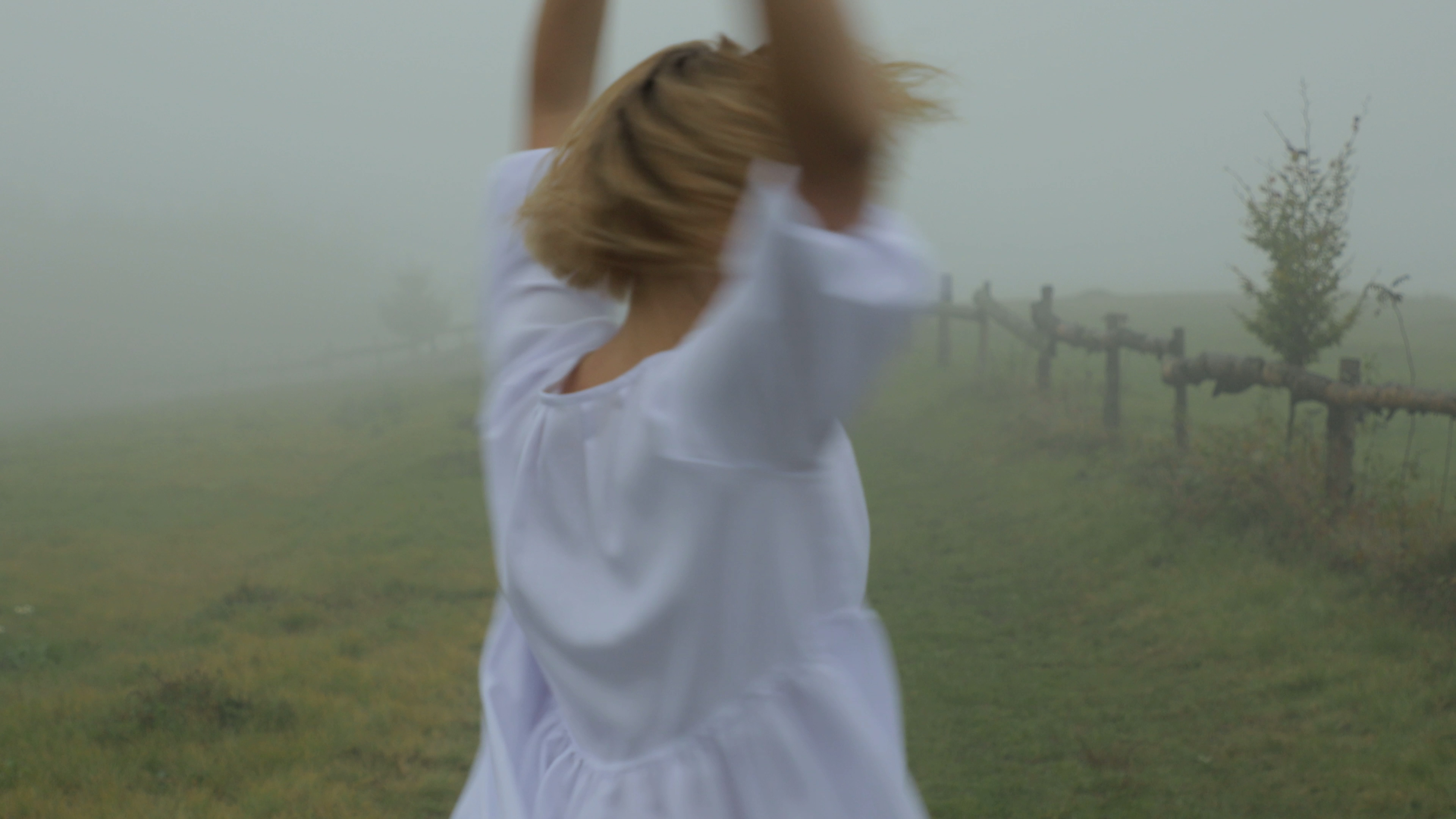
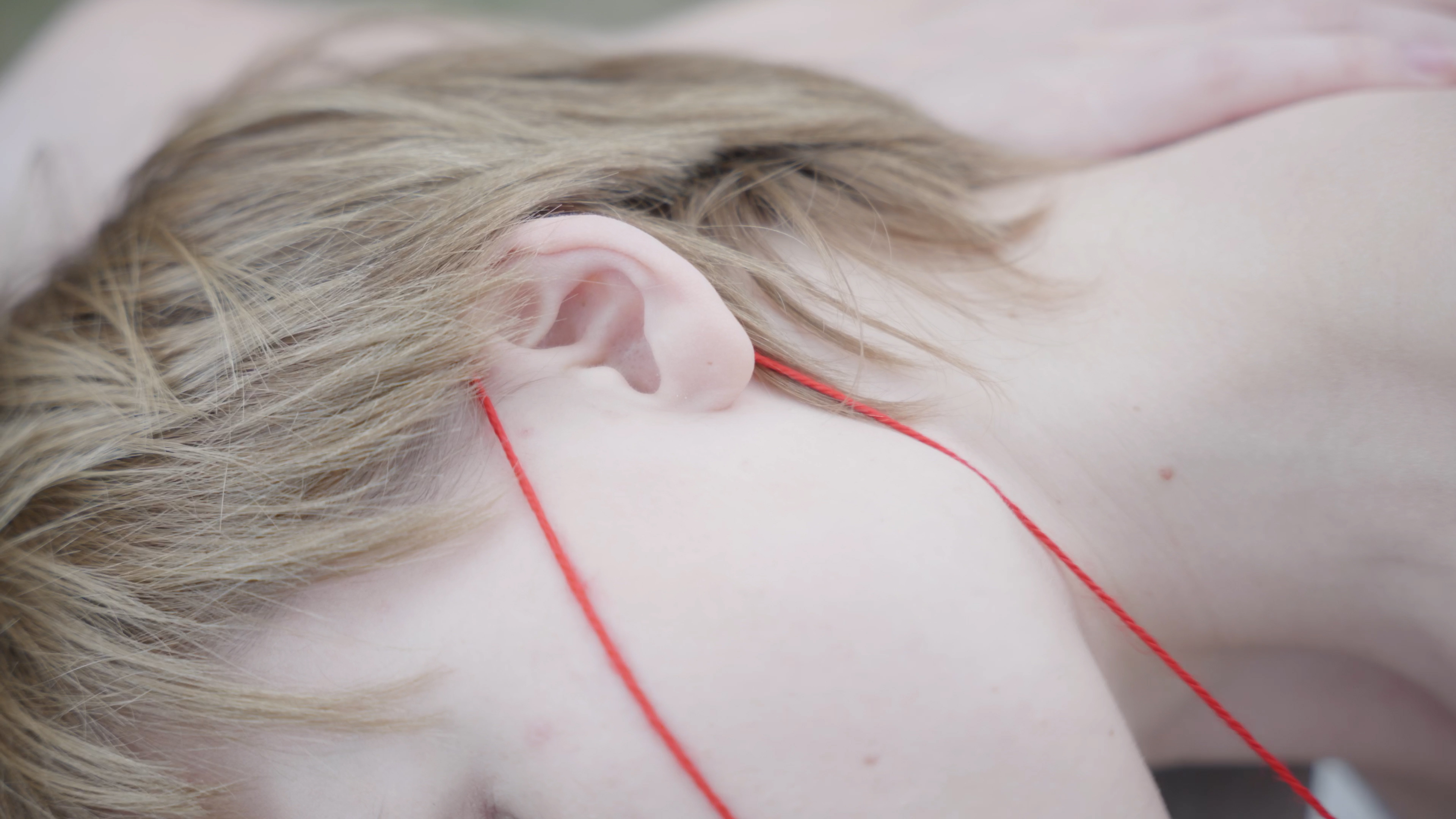
Handwerk is a site-specific performance and participatory public installation that reimagines embroidery as an embodied practice of labor, feminist resistance, and cultural memory. Developed for two dancers and two monumental hand sculptures, the project translates gestures of stitching—pulling, knotting, threading, dyeing—into choreographic movement in public space. Following the performance, one sculpture remains as an open stitching station, inviting passersby to contribute to a collective embroidery that evolves over time. By relocating a traditionally feminized craft from the domestic sphere into the urban environment, handwerk creates a shared space for reflection on work, visibility, care, and resilience.
Format: performance, participative installation
Size of audience: 10 to 100 people
Specific location: square, outdoor space
Timing/duration: 50 minutes performance, durable installation

Related content
PLATFORM 2025-2028
Boosting emerging artists' international careers
Open call #2
PLATFORM 2025-2028