
Katerina Drakopoulou
she/her
Site-responsive performance maker
Country: Greece
Discipline: Dance – Theater – Performance
Type of public space: All types
PLATFORM 2025 - 2028 2027 creations


Artist's pitch
Biography
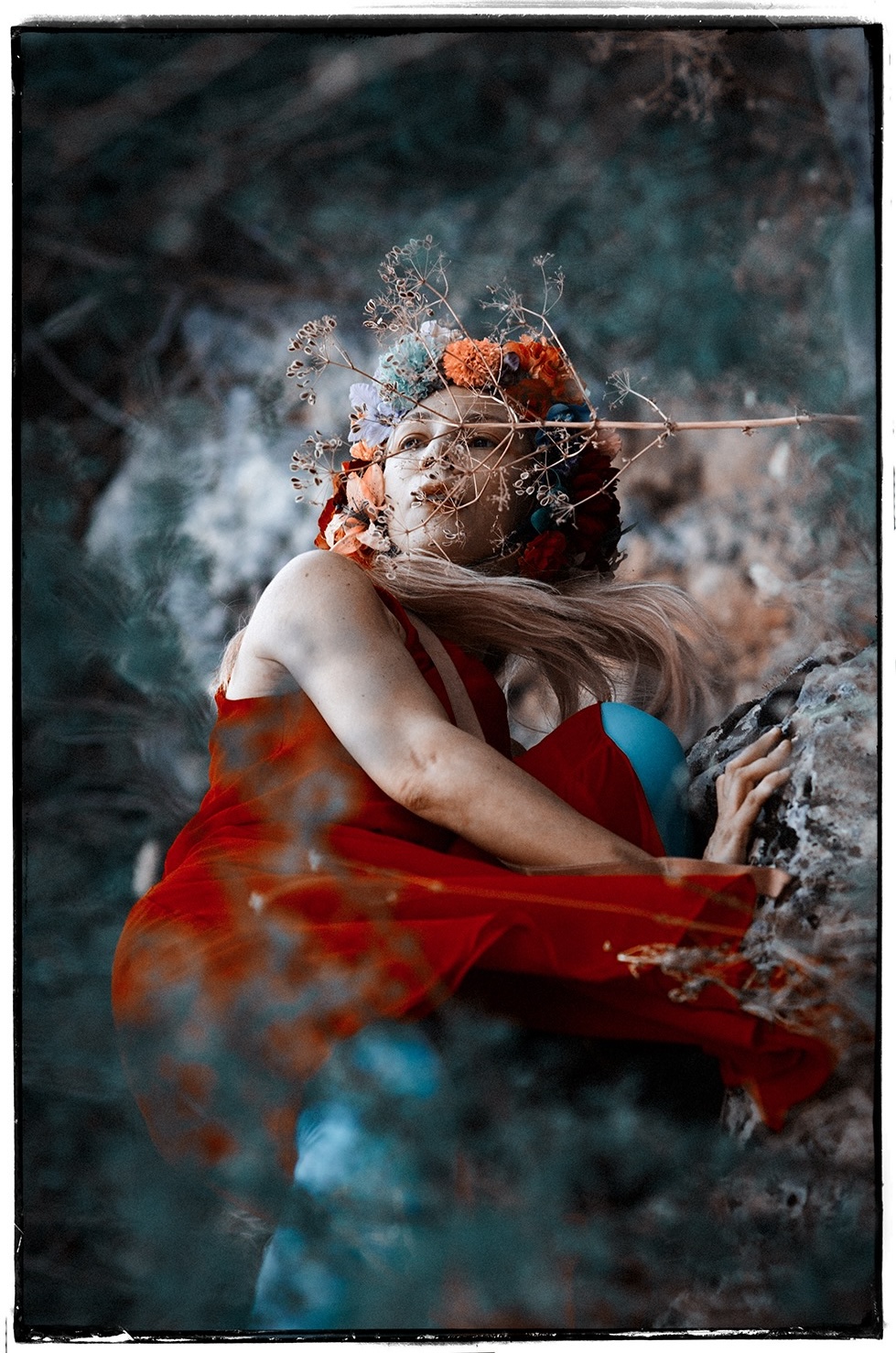
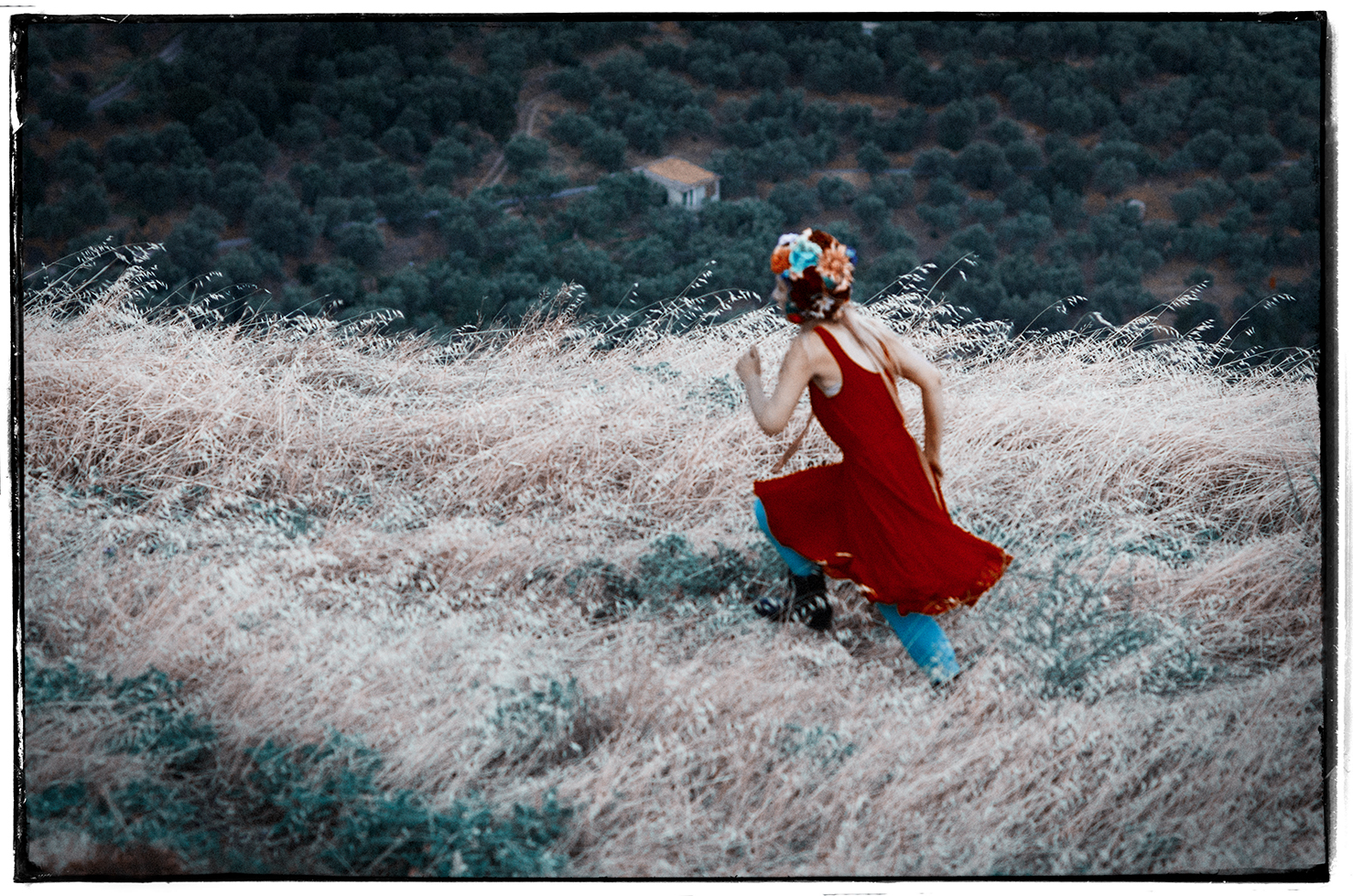
Katerina Drakopoulou is a performance maker, performer, and movement educator based in Athens. Her practice is rooted in durational, site-responsive works that investigate the relationship between body, place, time, and visibility. She choreographs attention, framing the landscape through a distilled body and sustained presence. Through long-form actions and scored compositions, she creates encounters that re-tune perception and sharpen what is noticed.
Extensively trained in Japanese Butoh, she approaches it as a research methodology rather than an aesthetic, using slowness, stillness, and physical listening to explore sensation, image, and transformation. Her works are developed through experimentation, with scores that are rigorous and permeable: clear enough to carry intensity and open enough to welcome playfulness, nuance, and the unexpected.
Her work has been presented across Greece, Europe, Japan, and the United States, including the Larnaca Biennale. She is an UNFOLD Fellow and was selected for Peru Bienal 2026. She holds an MA in Ensemble Physical Theatre (University of Huddersfield), an MA in Performance (Goldsmiths, University of London), and a BA in Drama and Theatre Studies (University of Kent). She teaches at the American College of Greece (Deree).
Artistic project
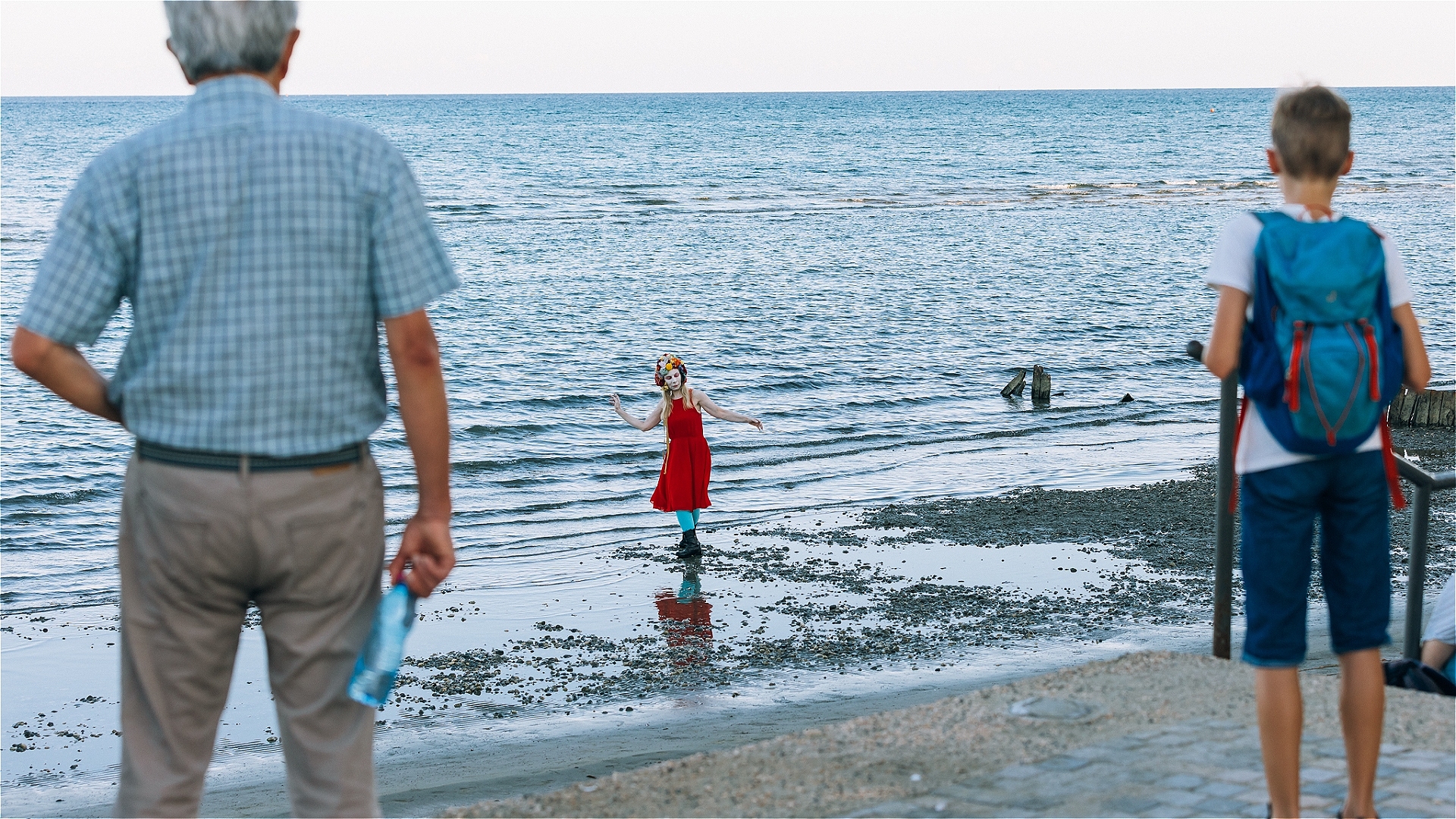
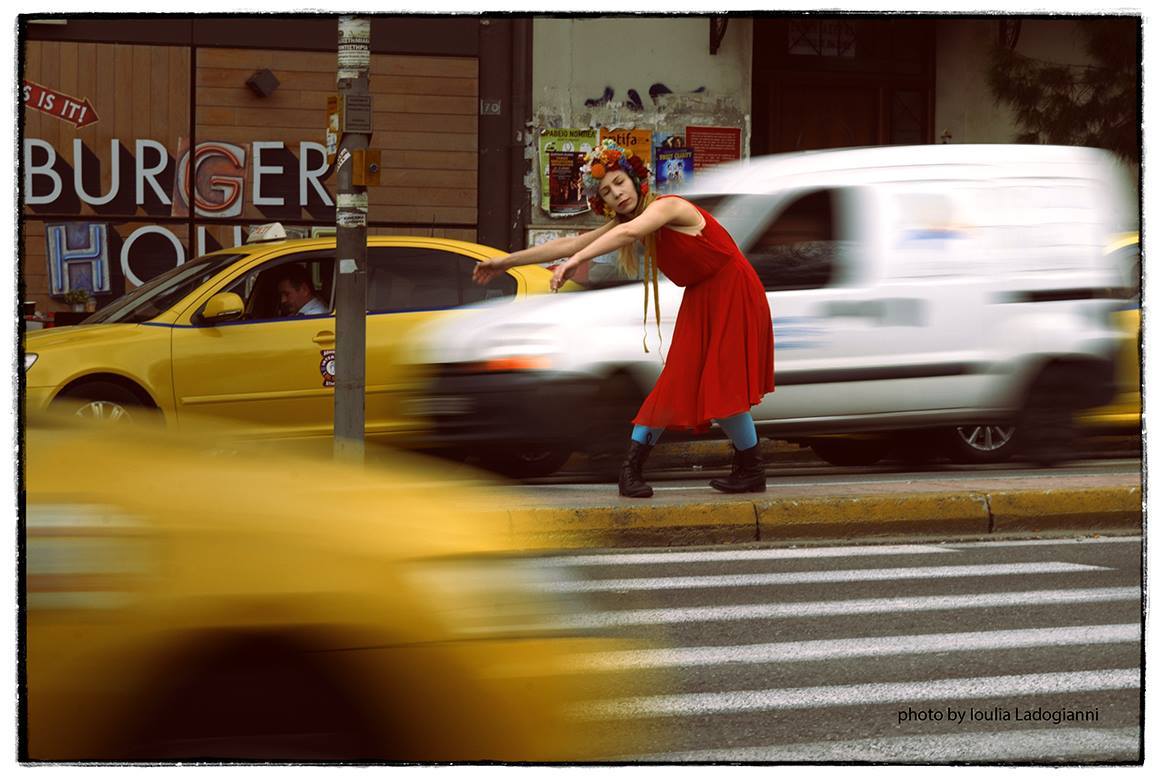
22 stops: Inhabiting the City is a site-responsive walking performance. Developed from my long-term project 22 stops (2016–ongoing), it shifts from solo practice to collective presence and asks: how might a place be revealed through the bodies of those who live there?
The work is conceived as a choreography of attention. Twenty-two local inhabitants activate twenty-two sites along a walkable route. Through short site-responsive workshops, they develop concise scores rooted in stillness, slowness, and embodied attention. Their bodies become temporary frames through which overlooked corners, textures, thresholds, and the quiet scale of the everyday come into view. Rather than performing the place, the work attends to it.
The collective walk itself forms part of the choreography. As audiences move from stop to stop, attention accumulates and perception begins to shift. Through repetition, duration, and encounter, familiar environments begin to reveal unexpected layers of intimacy and wonder.
Together, the stops compose a temporary embodied cartography of place. Each iteration contributes to a growing constellation of places shaped by attention. Quiet, low-tech, and adaptable to diverse contexts, the work is composed anew in each location through walking research, local encounters, and site-responsive development.
Format: guided walk, site-responsive public performance (score-based actions along a route).
Size of audience: flexible and fluid. Ideally 15–30 people follow the full walk. Passers-by may encounter the work by chance at any point along the route and join temporarily.
Specific location: to be determined with the host. The work unfolds along a walkable public route in the host city; the final path and 22 stopping points are composed during the residency through on-site research, local dialogue, and practical considerations of access and safety.
Timing/duration: daytime or early evening (flexible). Approximately 70–150 minutes, depending on the route, pace, and local conditions.

Related content
PLATFORM 2025-2028
Boosting emerging artists' international careers
Open call #2
PLATFORM 2025-2028