
THE NON HUMAN NET
Samantha Pellarini - She/her
Embodied landscape researcher
Country: The Netherlands – Venezuela
Discipline: Theater – Performance – Visual art
Type of public space: Industrial – Nature
PLATFORM 2025 - 2028 2027 creations


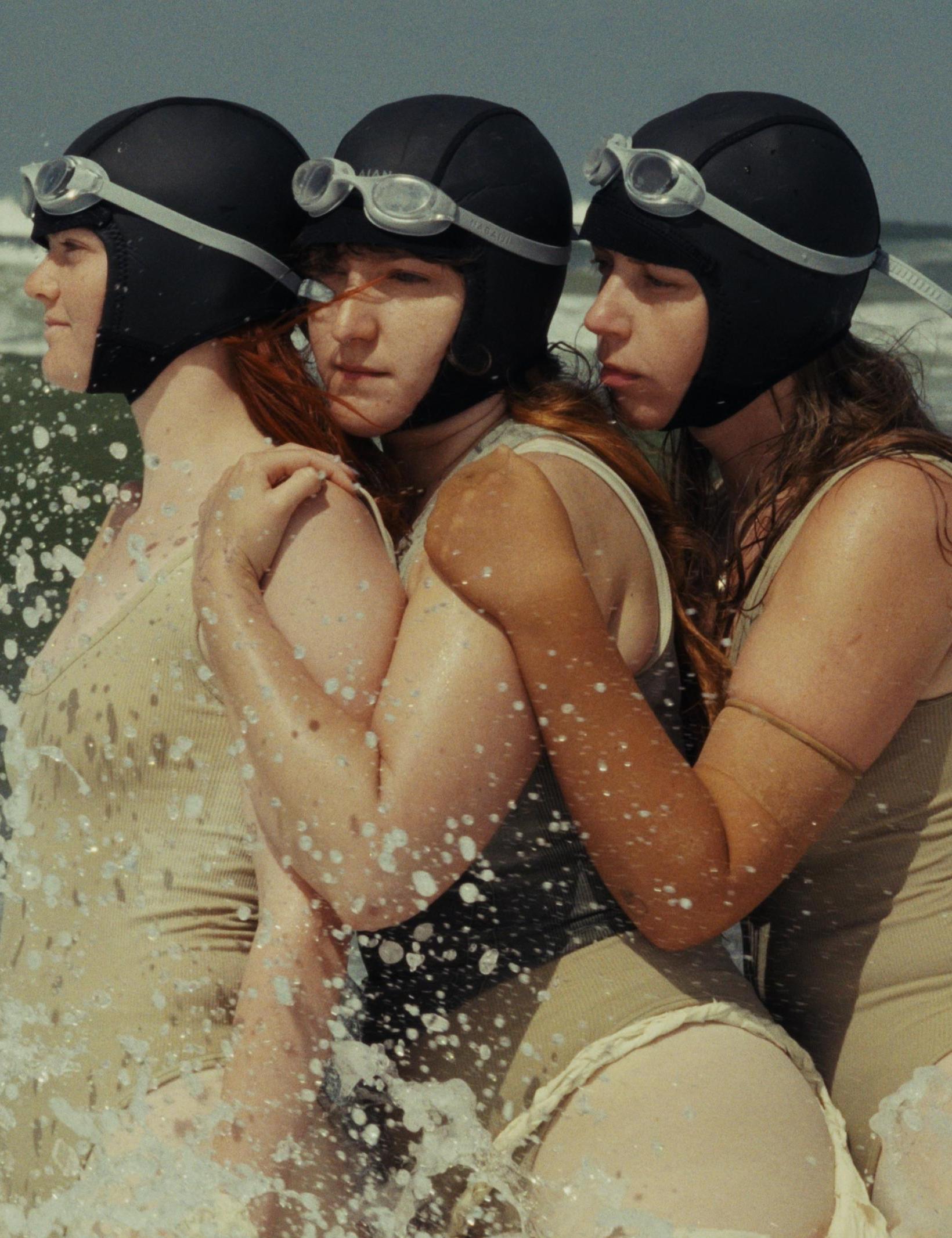
Artist's pitch

Biography
Samantha Pellarini is a visual artist and researcher whose work inhabits the spaces between water and land, human and more-than-human, observation and embodiment. Her practice is grounded in a self-developed Rhizoaquatic methodology, where the branching, adaptive rhythms of water shape both the sites she engages with and the ways her work unfolds.
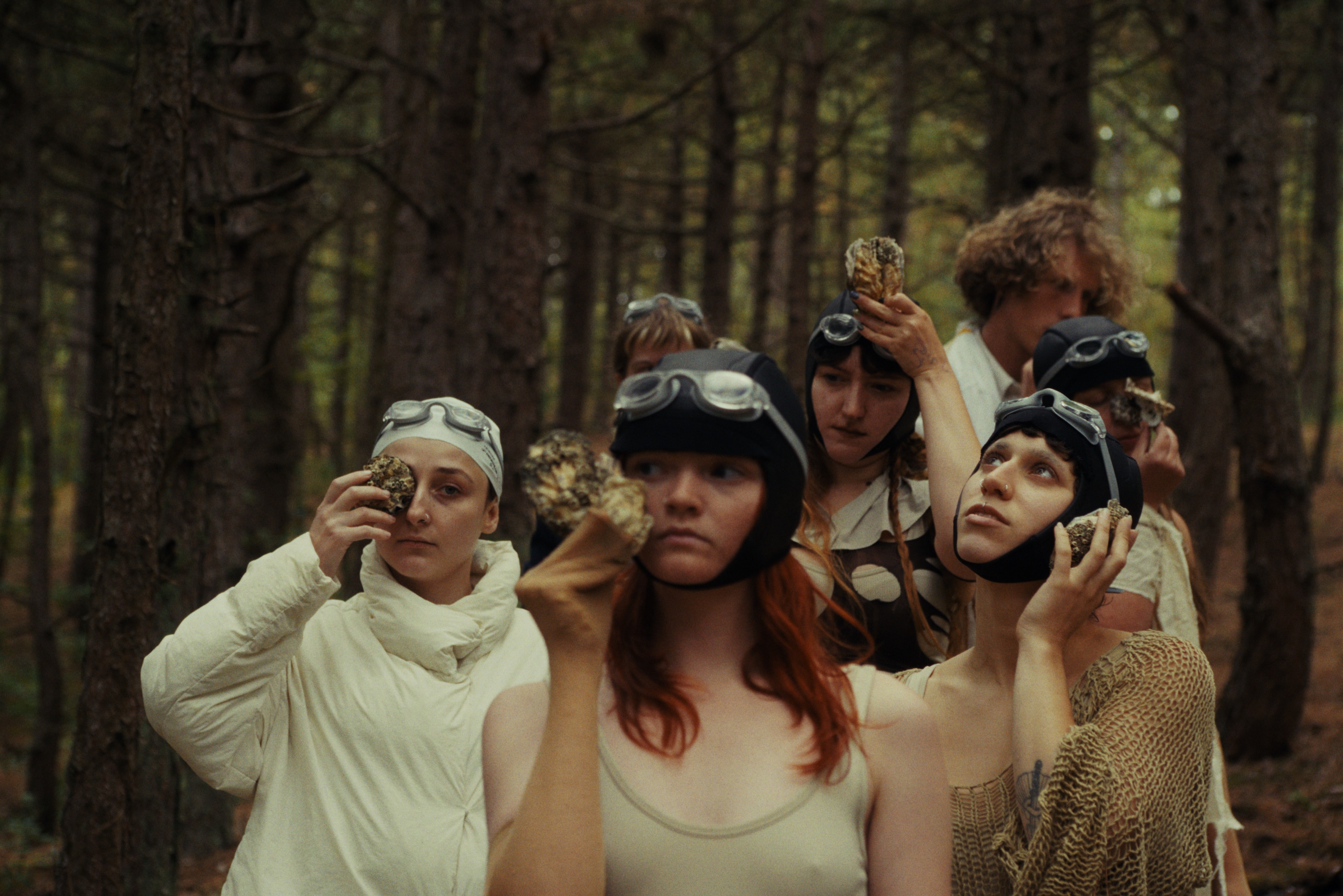
Performance lies at the heart of her practice, serving as a method of reading the landscape, a way to inhabit environments, attune to ecological processes, and allow bodies, materials, and non-humans to co-create. She designs narratives, costumes, and frameworks that invite participants into the landscape, enabling interactions between humans, non-humans, and environments to emerge organically. She works with scenography, installation, sculpture, costume, and film, shaping experiences that arise from the rhythms of water, soil, and living bodies, where learning unfolds through presence and adaptation.
Collaboration is central. Working with communities, ecological practitioners, and researchers, she explores resilience, care, and transformation. Her projects ask how humans might inhabit a changing world in relation with other forms of life, inviting audiences to sense interdependence and imagine new ways of belonging, adapting, and living within ecosystems.
Artistic project
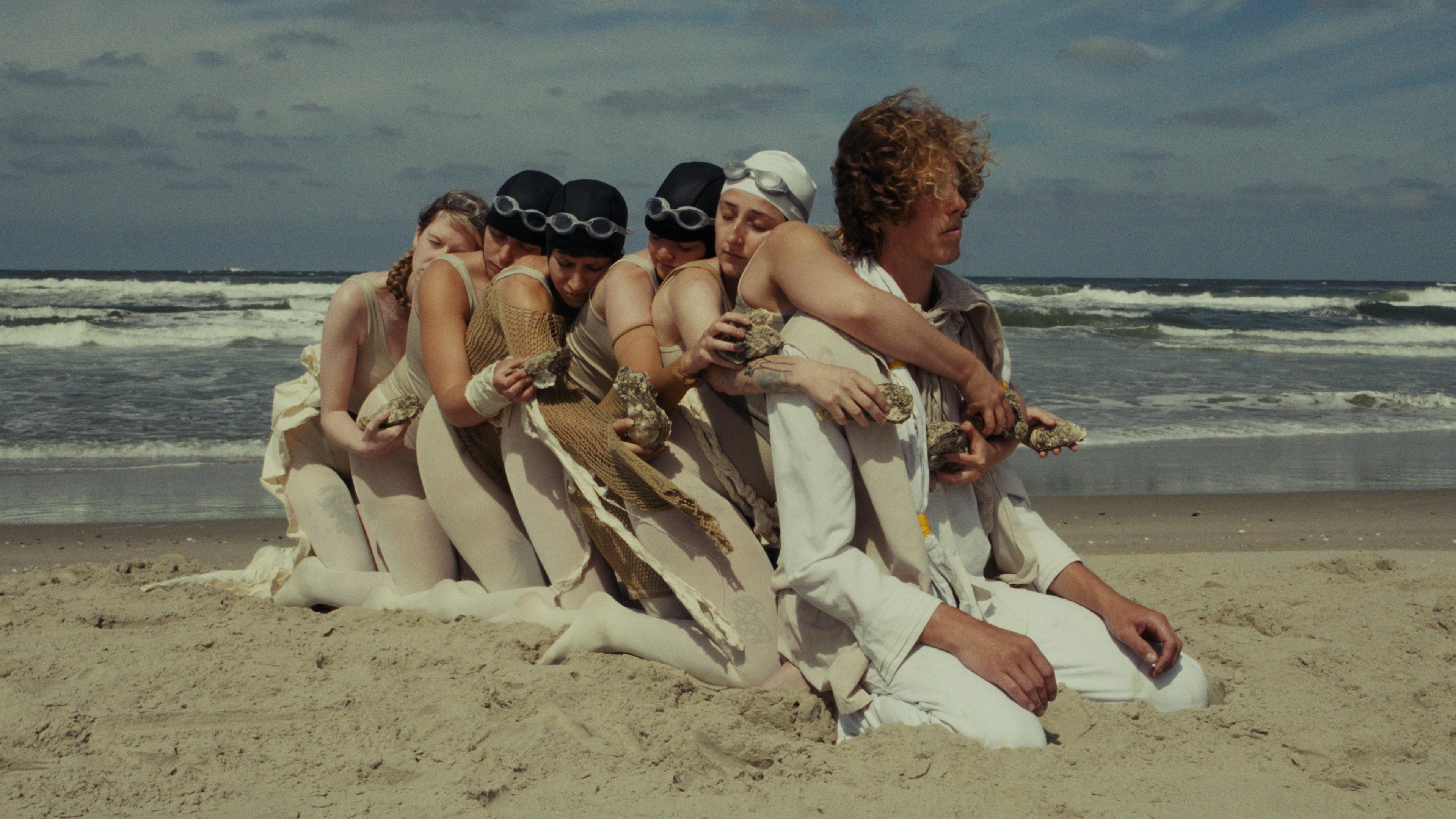
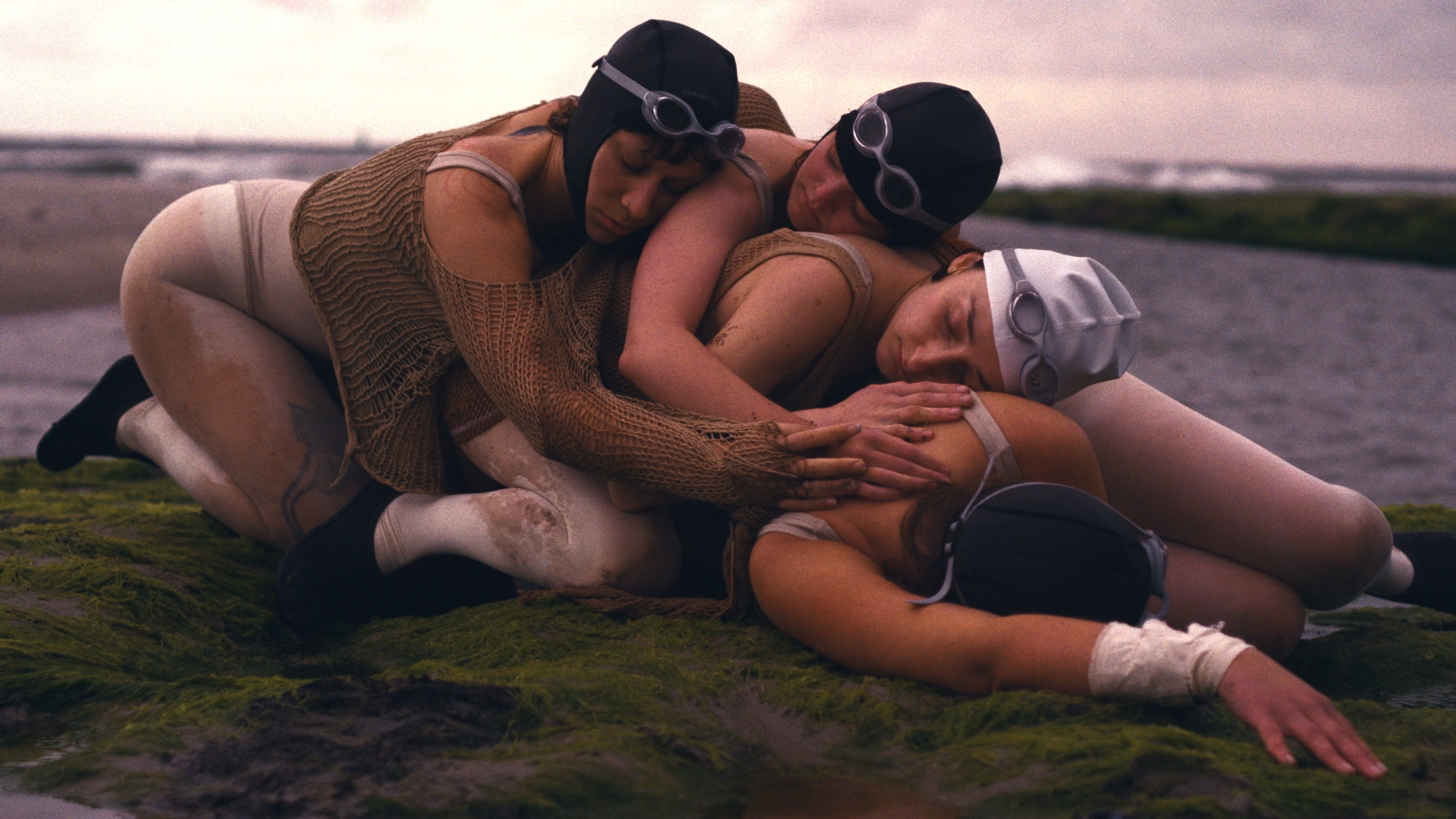
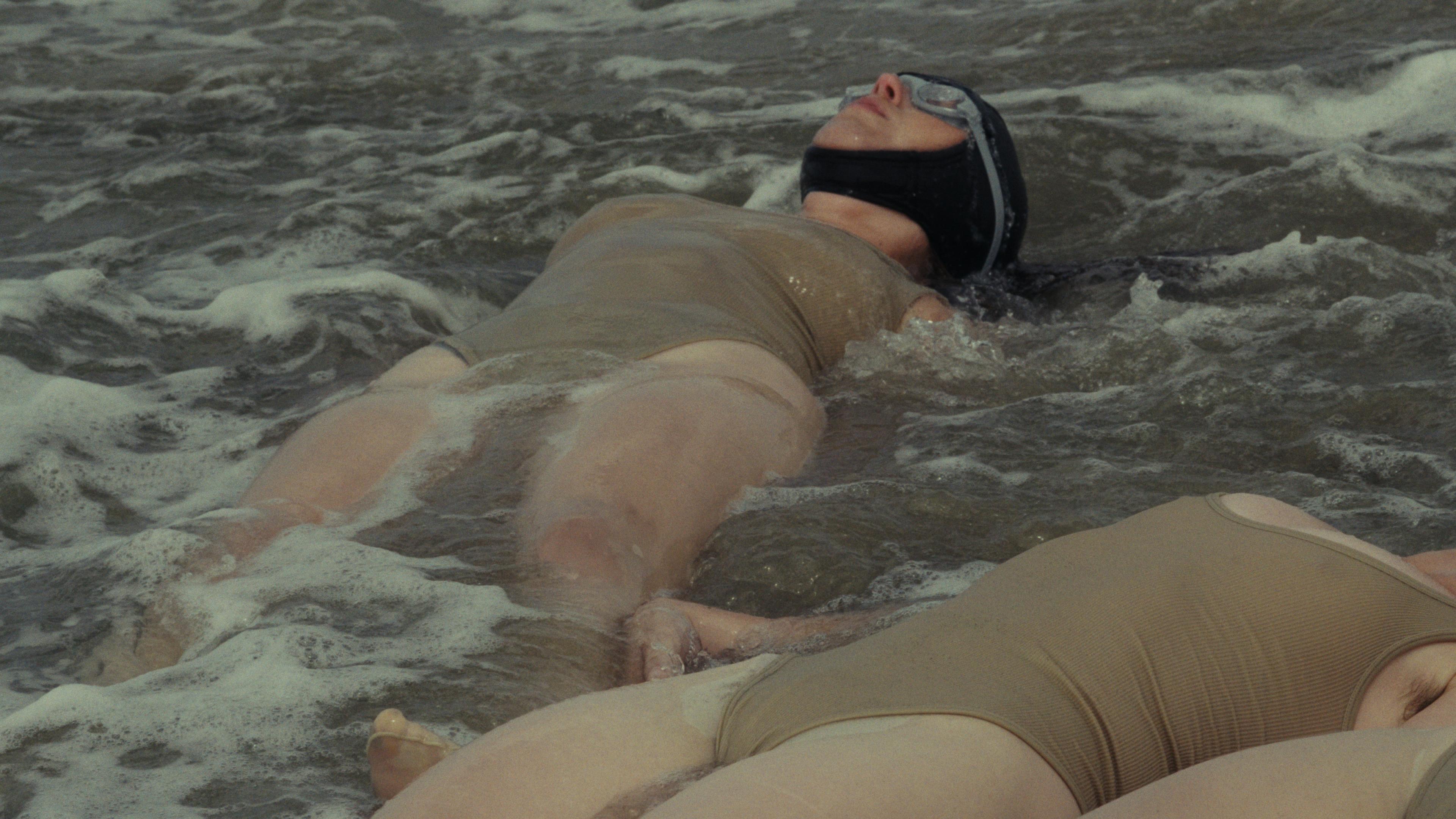
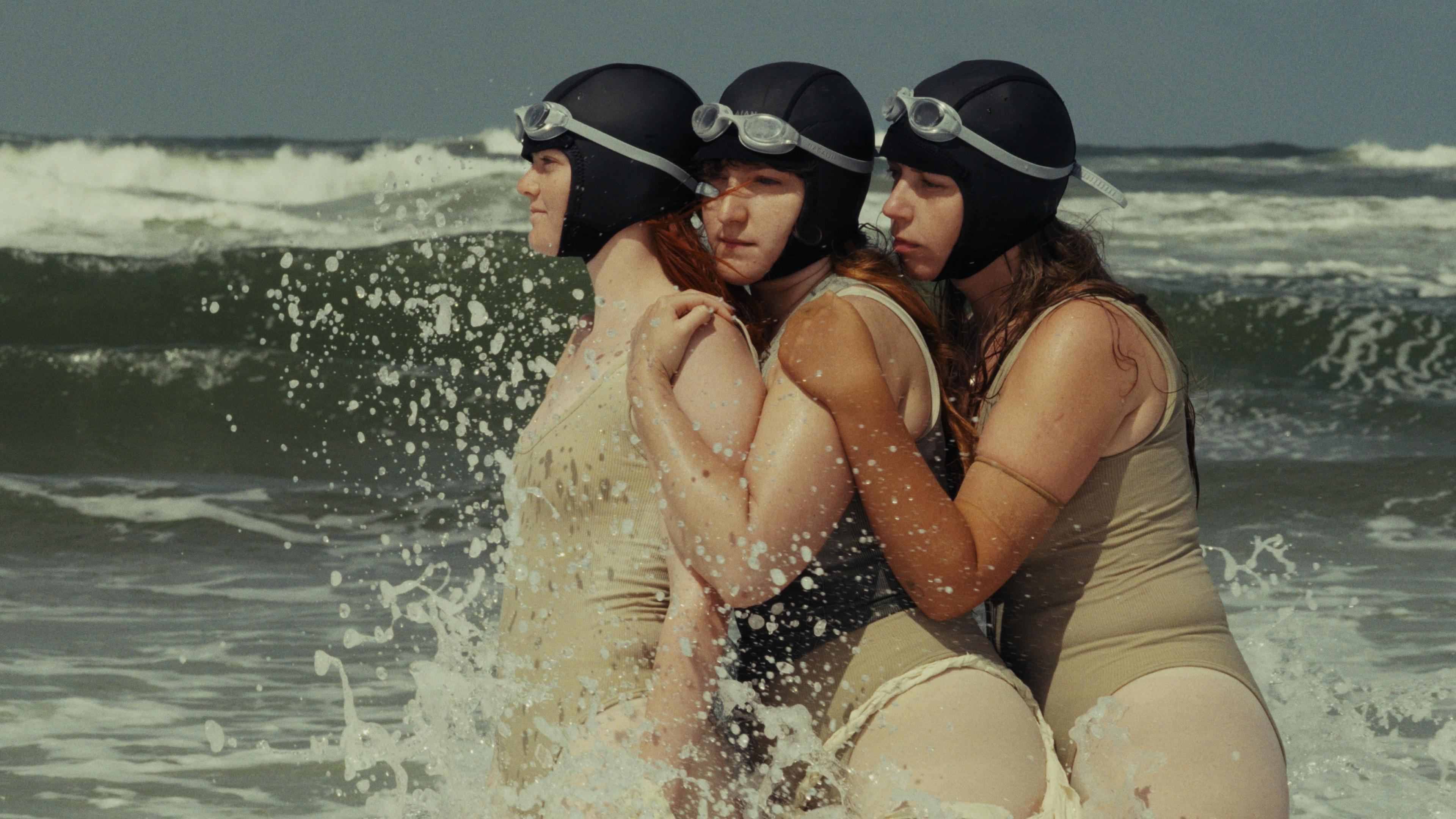
Meebewegen: Principles for Living Among Waters is an ongoing artistic research project developed in public landscapes shaped by water, or by its absence. The project unfolds through performance, fieldwork, film, and material experimentation, exploring how humans and more-than-human beings adapt to changing environmental conditions.
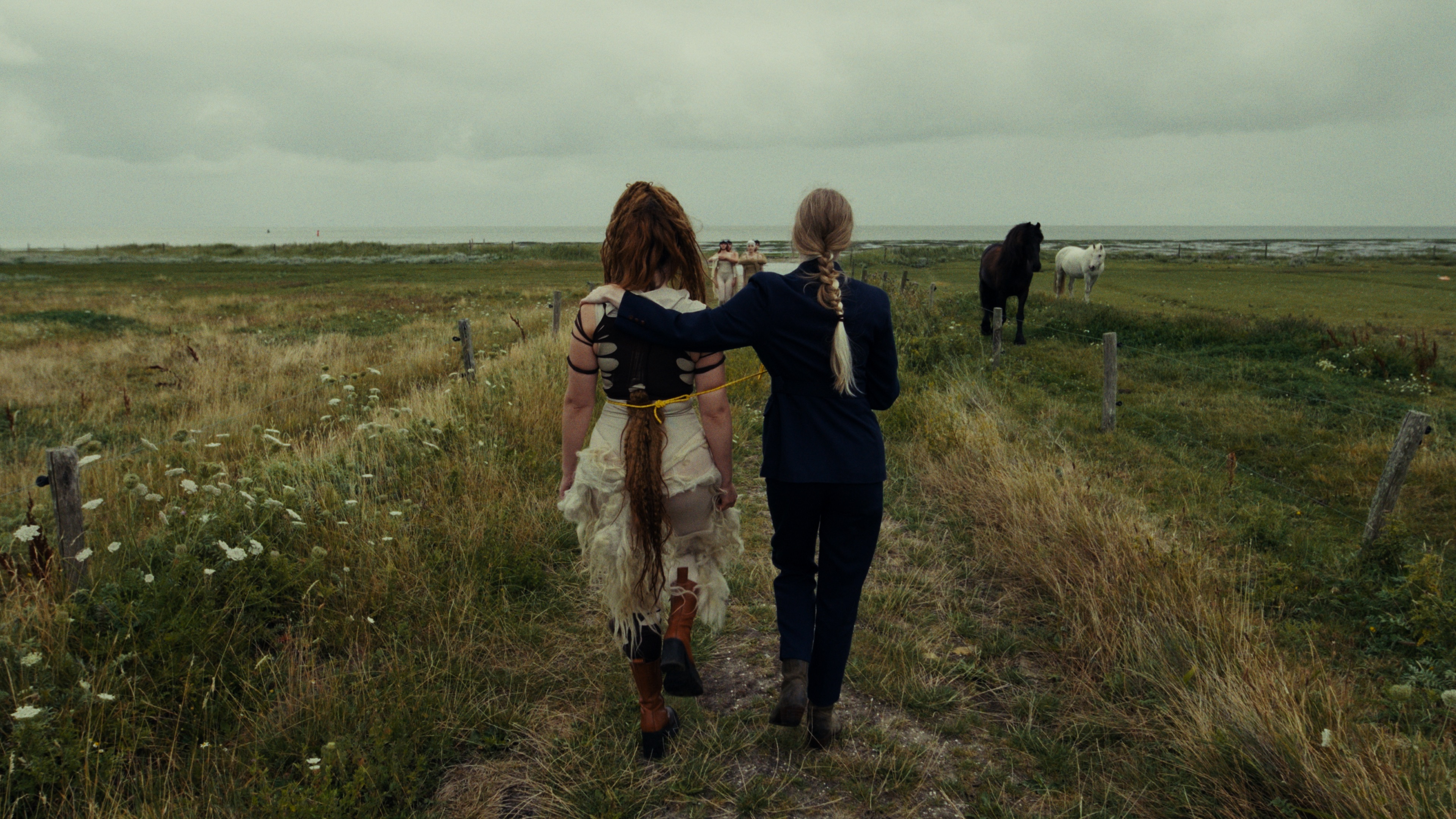
The research began on the islands of Vlieland and Schiermonnikoog, between the North Sea and the Wadden Sea. These exposed tidal landscapes became the ground where the Rhizoaquatic Methodology emerged: a way of working that follows the branching and adaptive logics of water systems. Through repeated site visits, environmental listening, embodied research, and collective action, tides, weather, soil, animals, and local human routines actively shape the work, allowing the landscape itself to function as a collaborator.
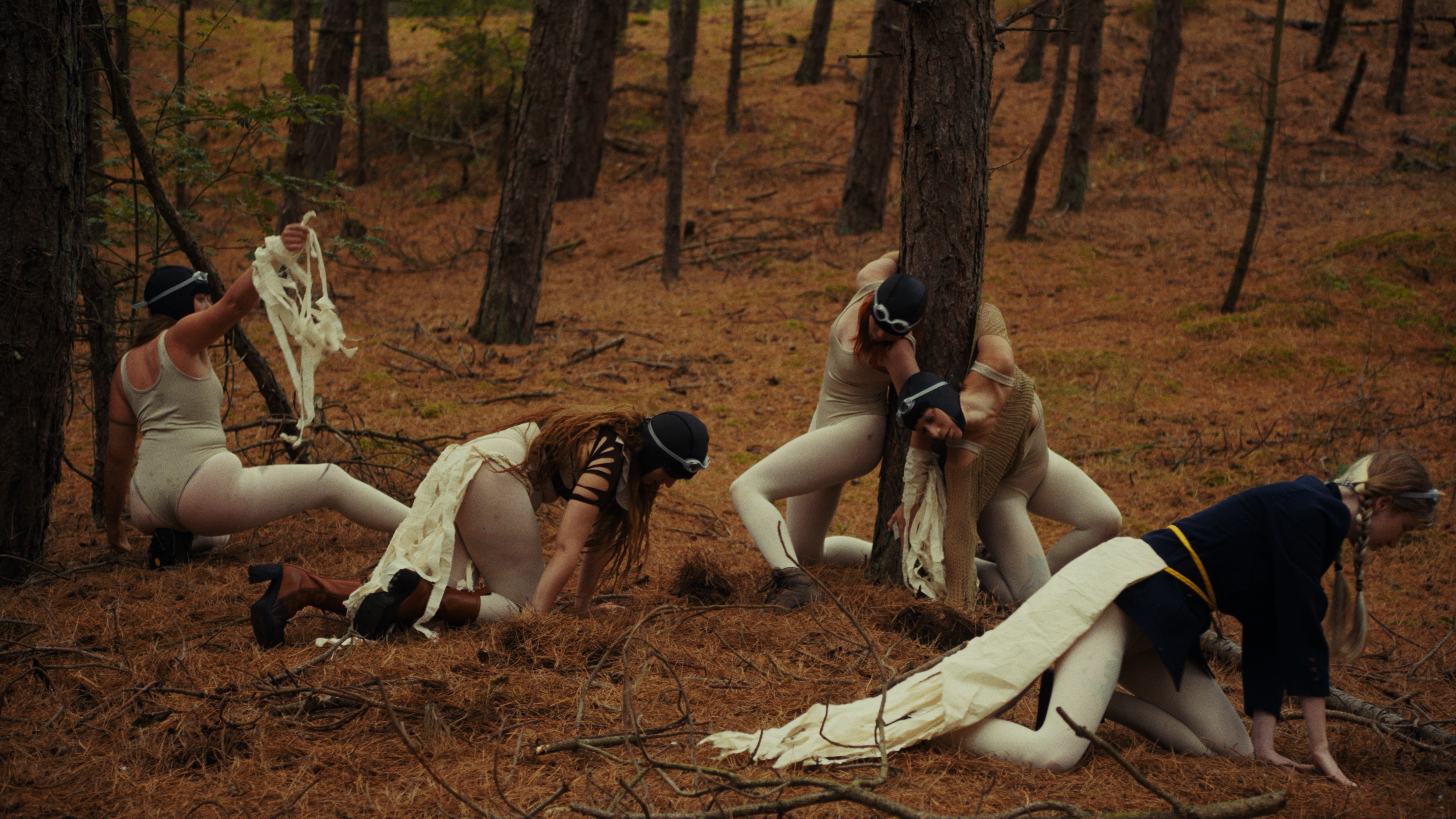
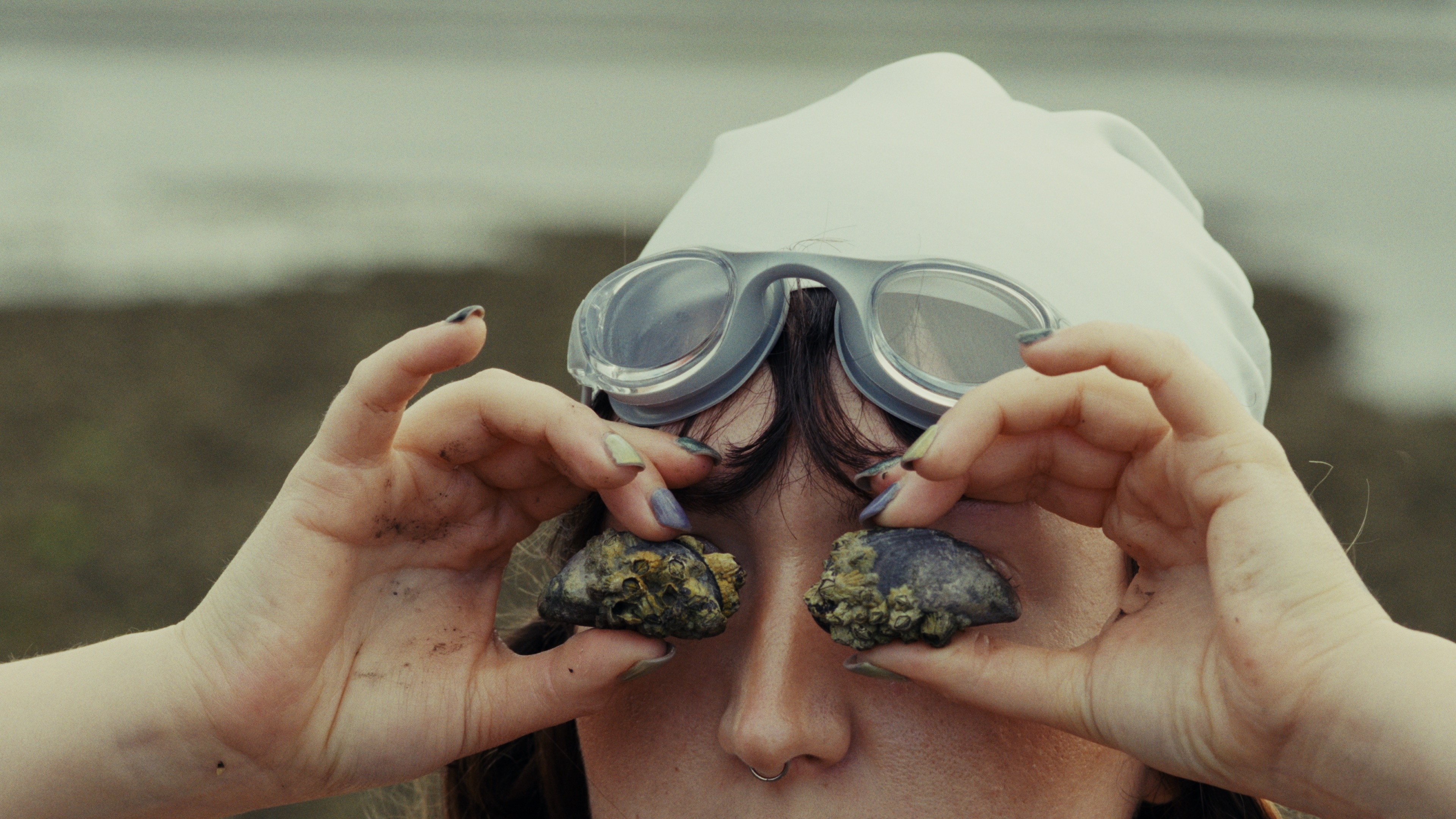
In public space, the research unfolds through performative situations that act as collective testing grounds. Performers and local participants inhabit figures and tasks drawn from the landscape. Costumes and objects interact with water, mud, wind, and gravity, shaping how bodies move, slow down, and depend on one another.
Through these encounters, Meebewegen explores how adaptation, care, and resilience might be practiced together within shifting ecological conditions.
Format: site-responsive/ processional/ ritual
Size of audience: audience size is variable and context-dependent, ranging from 10 to 60 people, including passersby, local communities, and invited audiences.
Specific location: near water, in water, above water, in piles of mud, sand, rocks
Timing/duration: 30 min to 6 hours (adaptable)

Related content
PLATFORM 2025-2028
Boosting emerging artists' international careers
Open call #2
PLATFORM 2025-2028